Fashion eCommerce Strategy and Product Management
Project Background
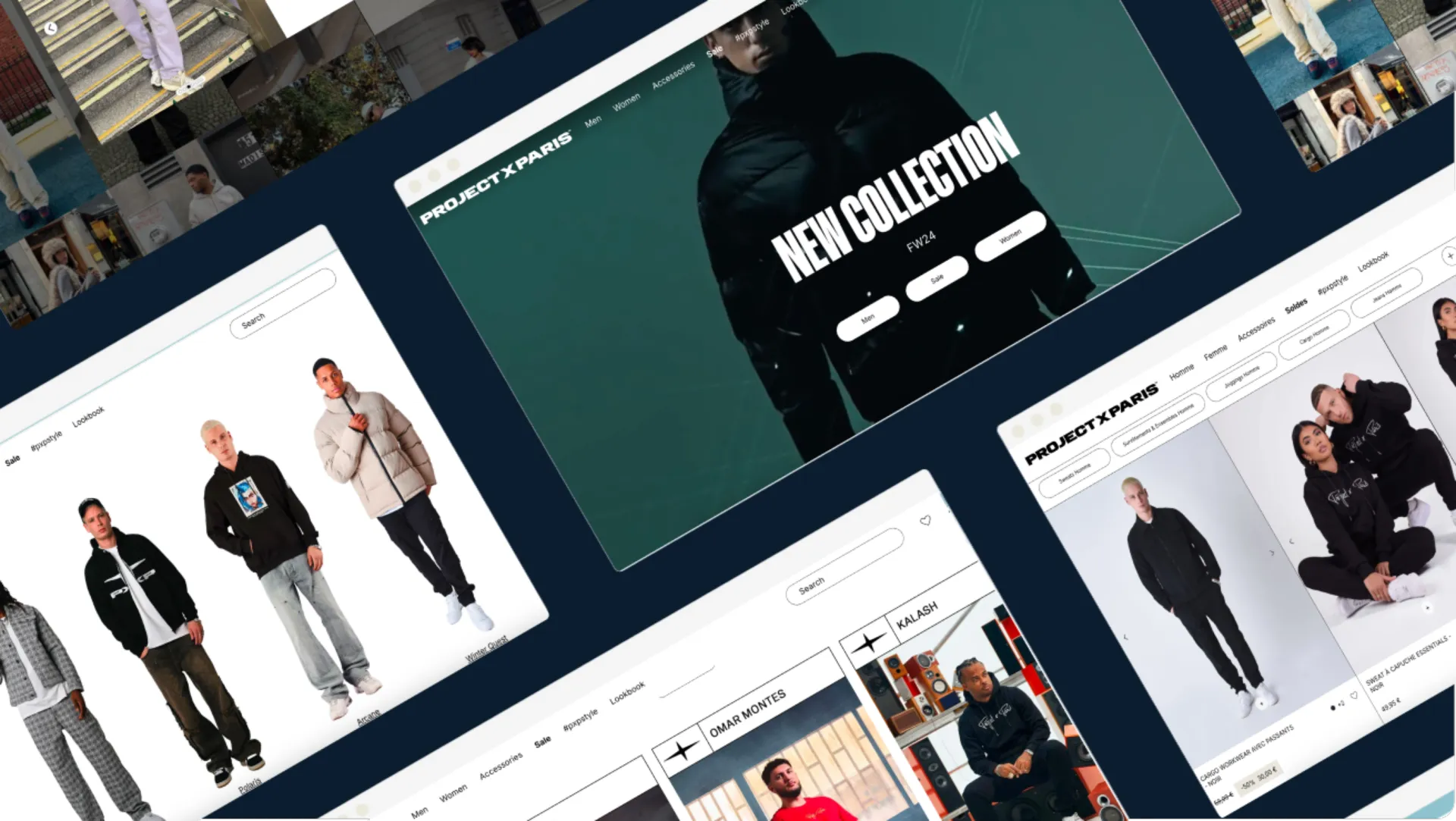
As the brand transitioned from a wholesale-only model to launching its eCommerce platform, I was tasked with leading the initiative. This included overseeing the design and development of the eCommerce website to create a seamless shopping experience. I managed critical operations like inventory control, customer service, and returns to ensure the platform ran smoothly.
Additionally, I developed and executed digital marketing strategies to drive traffic, increase conversion rates, and retain customers. Over time, the website was relaunched three times to align with evolving customer expectations and advancements in technology.
Key Performance Indicator of my project
This is the impact of the project, shown in real numbers.
Increased Conversion Rate
Conversion rates improved reflecting the success of UX and marketing efforts
Higher Cart Value
The average cart value increased, driven by targeted promotions and upselling strategies
Improved Customer Satisfaction
Customer satisfaction grew based on reviews, reflecting a seamless shopping experience
Platform Creation
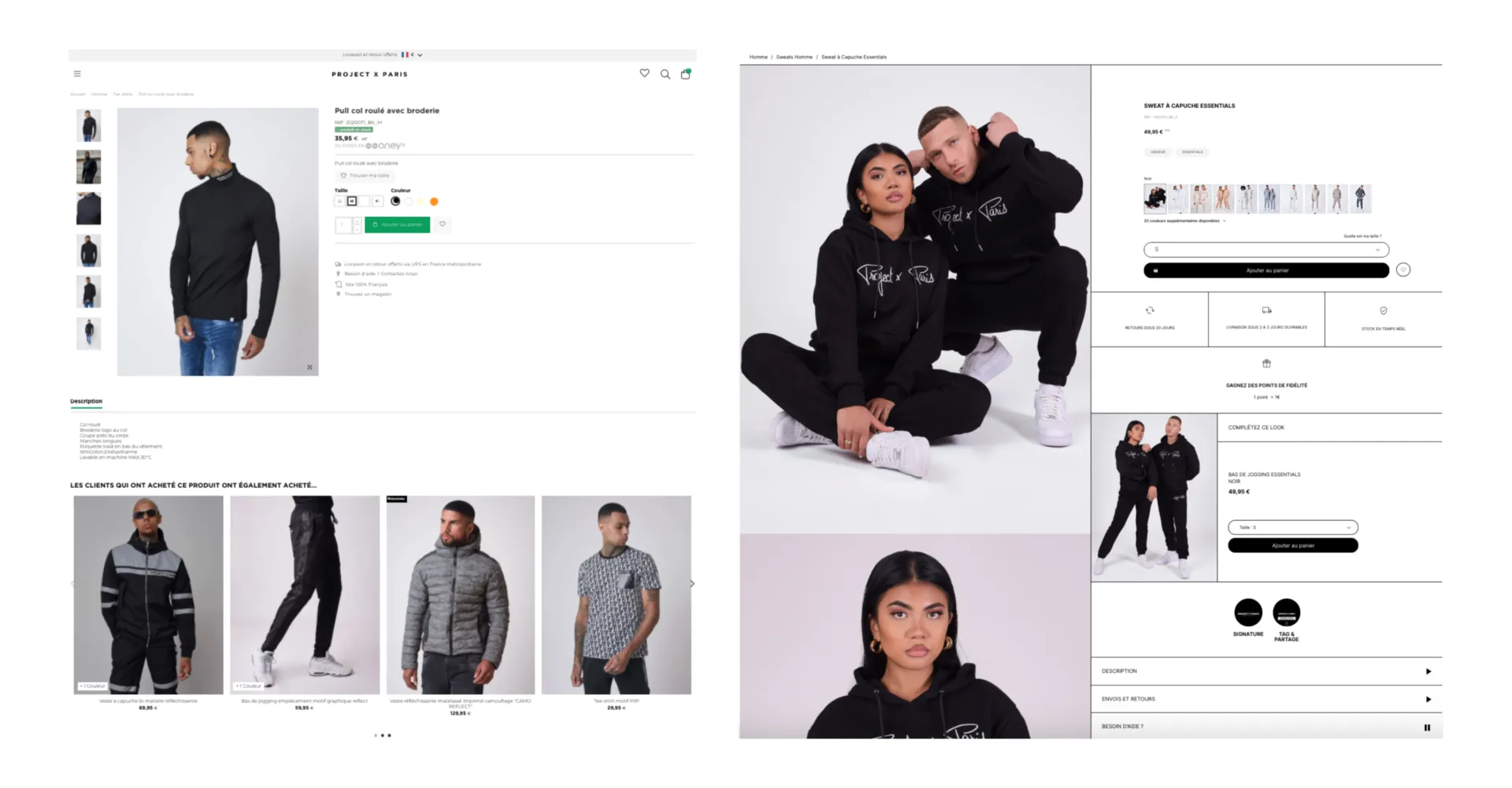
The project began with designing and building an eCommerce platform that reflected the brand’s identity while meeting user expectations. Without initial analytical data, I used competitor analysis, eCommerce best practices, and insights from a smaller sister brand with a similar audience. These insights revealed key challenges, like sizing issues that caused high return rates and hurt margins. To solve this, I added detailed size charts to product pages and introduced a virtual fitting room, where users could input their measurements to get accurate size recommendations.
To inform merchandising decisions, I leveraged SEO insights to identify the most searched products and categories, ensuring the platform highlighted what customers were actively seeking. Additionally, I optimized site search functionality by implementing more refined filters to make product discovery faster and easier for users.
Additionally, I prioritized cross-selling and up-selling features by integrating "Shop the Look" functionality, which used influencer-driven recommendations. Social media feedback showed that influencers had a strong impact on streetwear audiences, making this feature particularly effective. Trust-building elements, such as verified customer reviews and transparent information about returns and shipping, were made prominent to enhance credibility and encourage purchases.
The platform also served as a testing ground for new product categories. For instance, when the brand's art director wanted to introduce a women’s collection, I facilitated a low-cost test by repurposing unisex pieces and couple outfits from the men's collection to gauge interest. Based on the positive response, a full collection was later launched.
On the technical side, I managed the IT team to ensure the platform's backend included essential tools for efficient marketing and operations. This included features for managing promotions, exporting the catalog to marketplaces like Amazon, and integrating digital marketing tools such as referral program platforms, email marketing, and loyalty programs. Analytics tools were incorporated from the outset to track KPIs such as traffic, conversion rates, and customer retention, enabling continuous optimization post-launch.
Operations
Strong operations were essential to support the brand’s growth from wholesale to eCommerce and later into physical retail. I implemented an automated inventory management system that integrated with both the website and marketplaces like Amazon. This ensured stock levels were always accurate, reducing overselling and out-of-stock issues. By analyzing sales trends and seasonal demand, I introduced predictive restocking workflows that optimized inventory turnover and minimized storage costs.
Customer service was restructured to focus on speed and satisfaction. I trained a dedicated support team to handle customer queries across multiple channels, including live chat, email, and social media. To reduce workload on the team, I created a self-service knowledge base where customers could quickly find answers to common questions. Regularly analyzing customer feedback allowed me to refine service workflows and improve response times.
For returns—a common issue in fashion eCommerce—I designed a simple and transparent process. Customers received detailed return instructions, prepaid labels, and automated updates, reducing frustration. This streamlined process not only improved customer satisfaction but also lowered operational bottlenecks.
When the brand opened physical retail stores, I led the creation of an omnichannel strategy to connect online and offline shopping experiences. I integrated inventory systems across channels, enabling features like in-store returns. A unified customer profile system gave customers access to their purchase history and loyalty rewards, regardless of where they shopped. For example, customers could browse products online, reserve them for an in-store fitting, and complete their purchase in person. This seamless integration of digital and physical retail created a cohesive, user-friendly shopping journey while enhancing customer engagement and satisfaction.
Digital Marketing Strategies
My digital marketing approach focused on three main areas: acquisition, conversion, and retention.
Acquisition: To bring traffic to the website, I used a mix of organic and paid channels tailored to the brand’s young streetwear audience. SEO helped identify the most-searched products and categories, which shaped merchandising and content strategies. Social media was key, combining creative posts and targeted ads to build brand awareness and engage users. Events and partnerships with influencers boosted visibility, leveraging the strong connection between streetwear and influencer culture. For paid campaigns, Google Shopping Ads were the most effective, supported by remarketing ads to bring back users who had previously visited the site.
I tested the prototype with users over Zoom. They shared their screens and completed a task: start on the homepage, take the quiz, and go to checkout. They talked through their thoughts as they worked, so I could see where they got confused or frustrated. All testing sessions were recorded, allowing for a thorough analysis afterward. I transcribed key quotes from the sessions and conducted affinity mapping by creating a Miro board. I sorted the quotes into recurring themes, which helped identify key insights and areas for improvement. This process gave me clear insights and revealed the following important areas to improve.
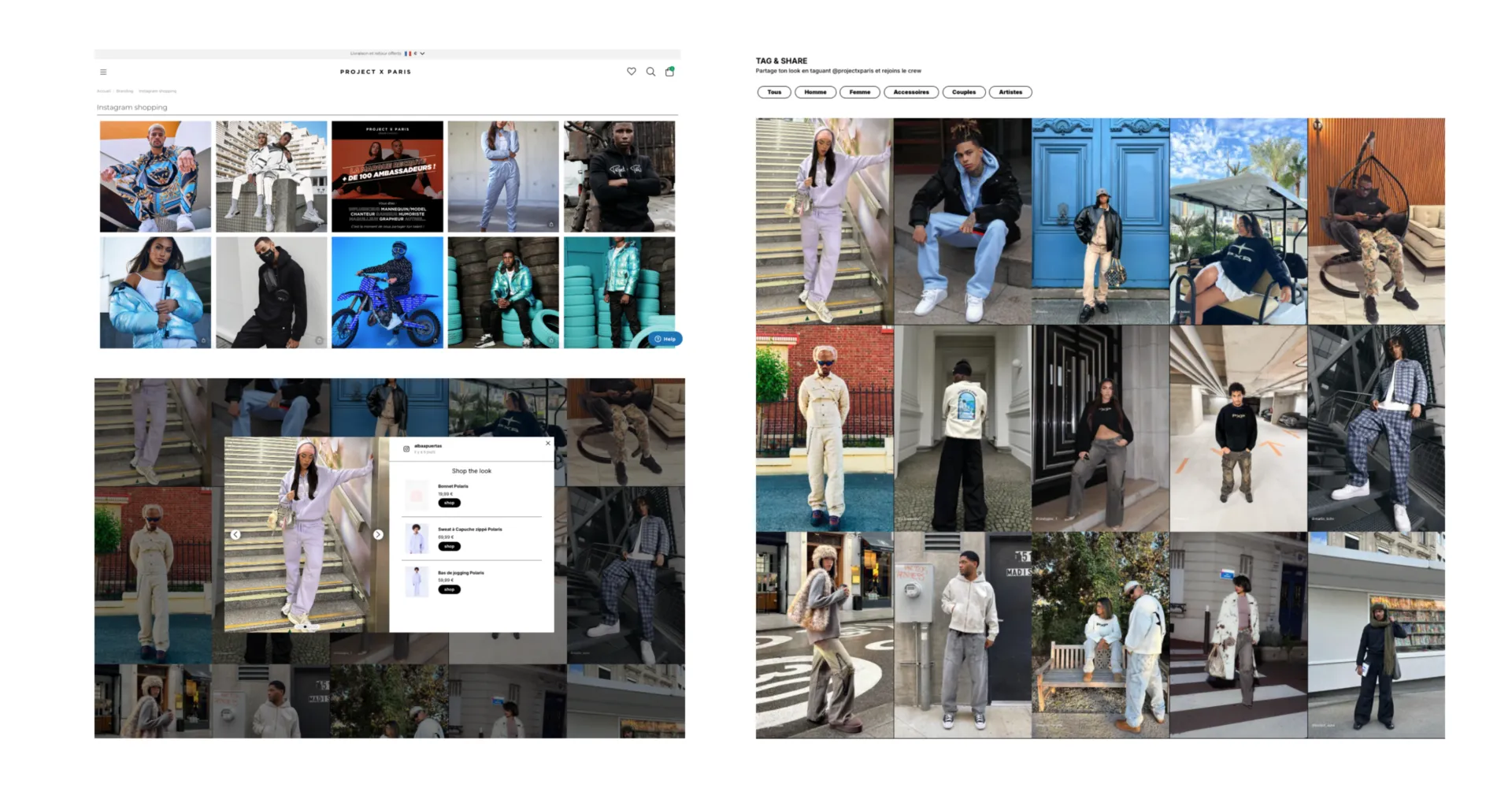
Conversion: Improving the shopping experience was essential to converting visitors into buyers. I optimized category pages with advanced filters and updated product pages to include detailed descriptions, high-quality images, and "Shop the Look" recommendations for cross-selling. To reduce friction at checkout, I introduced multiple delivery options, including free delivery to access points for small orders, which helped overcome resistance to shipping fees. For limited-edition collections with low stock, I ensured similar product suggestions kept users engaged. Automated email campaigns, like cart abandonment reminders, encouraged users to return and complete their purchases.
Retention: Keeping customers loyal was achieved through a strong loyalty program, where users earned rewards for repeat purchases. Personalized email campaigns highlighted new collections and offered tailored recommendations based on purchase history. User-generated content, including reviews and customer photos, was prominently displayed on the website and social media. This built trust and encouraged customers to become brand ambassadors, strengthening their connection to the brand.
Results
Through research, strategic planning, and user-centered execution, I successfully led the brand’s transition into eCommerce. The platform became a critical revenue stream, generating over $1.2 million in its second year, complementing the wholesale business and enhancing customer engagement. By continuously iterating based on data and user feedback, I ensured that the eCommerce platform not only met but exceeded both business and customer expectations.
Other Projects
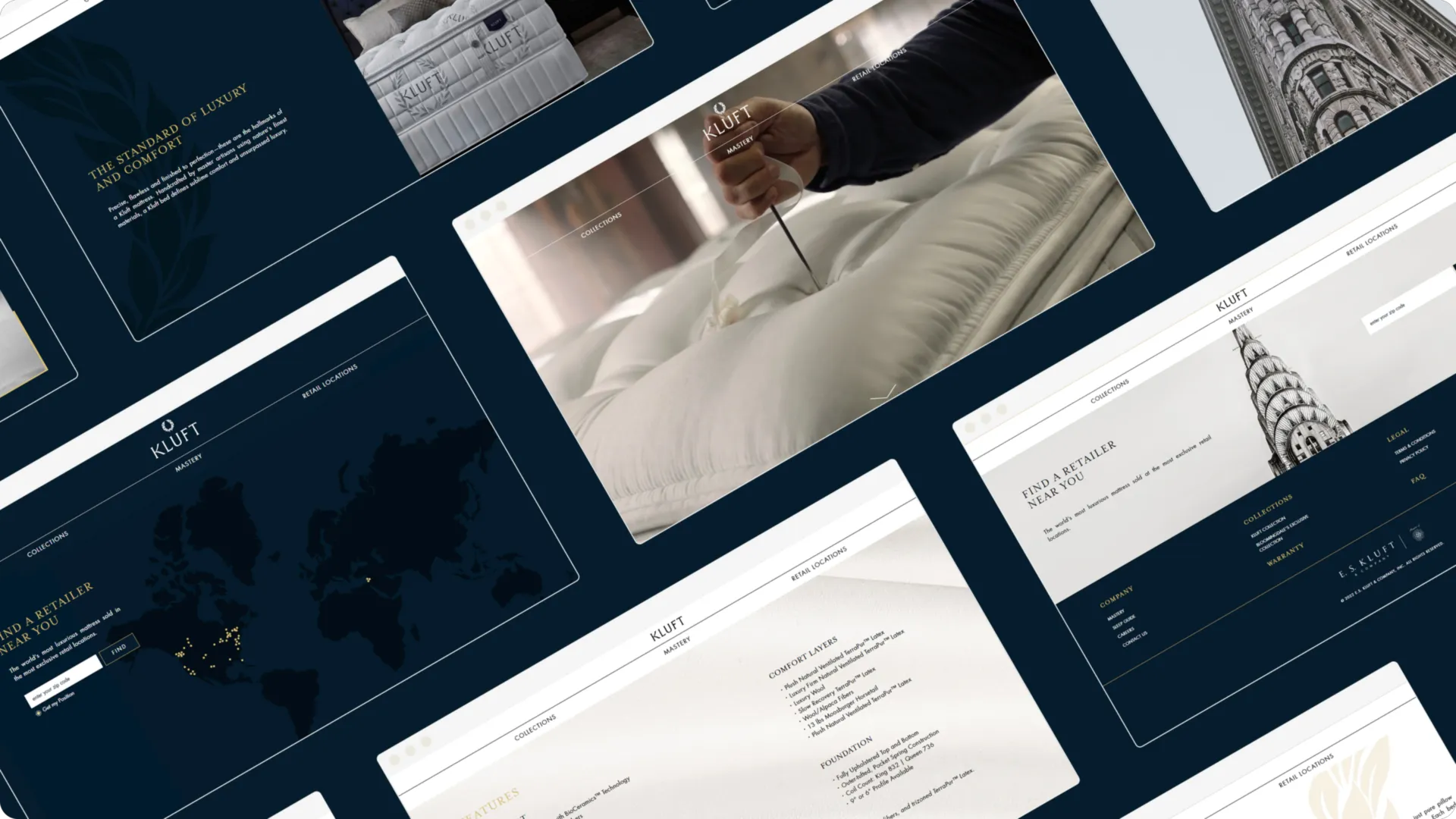
E.S. Kluft Website Redesign
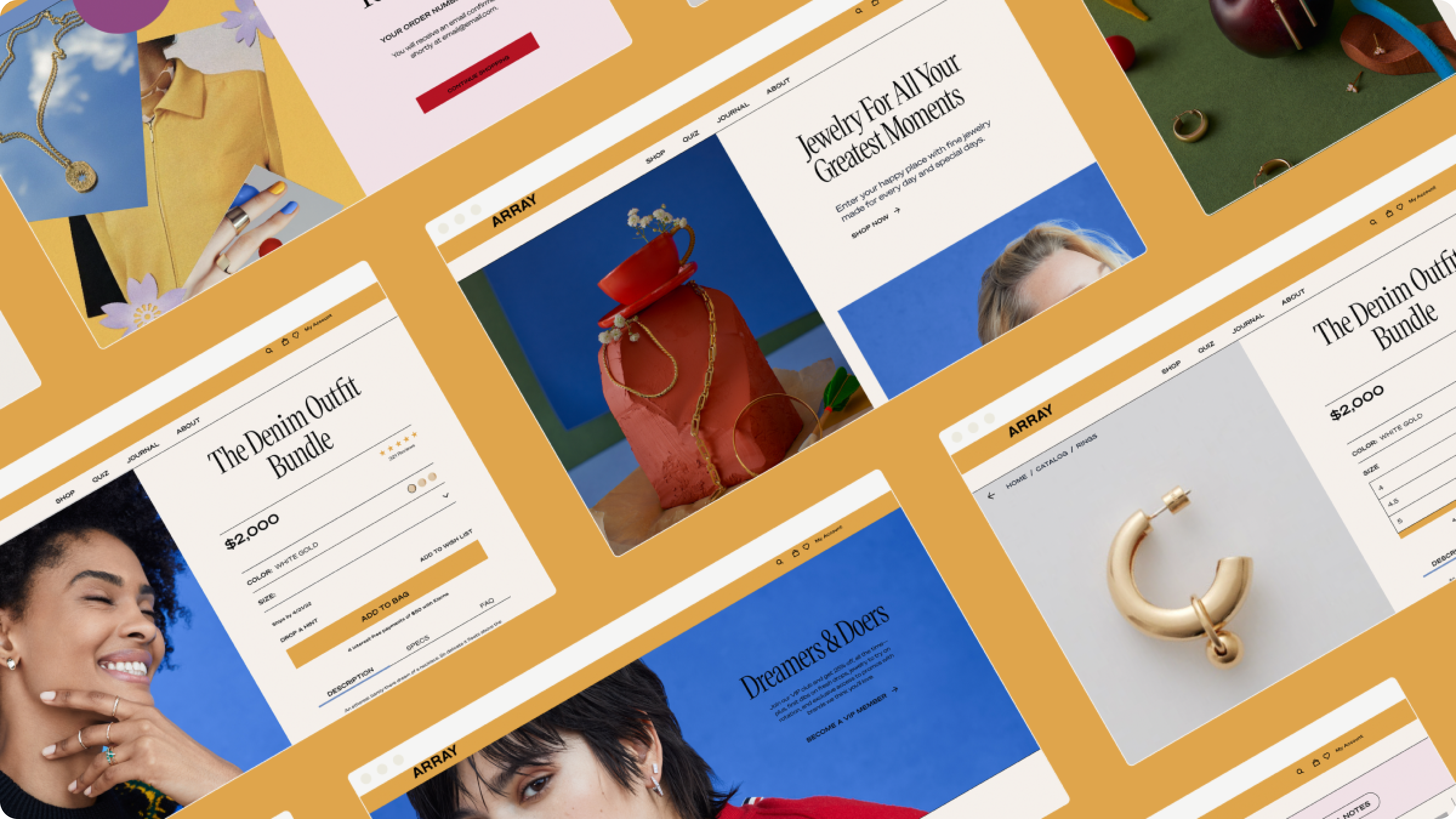
Array UX Design
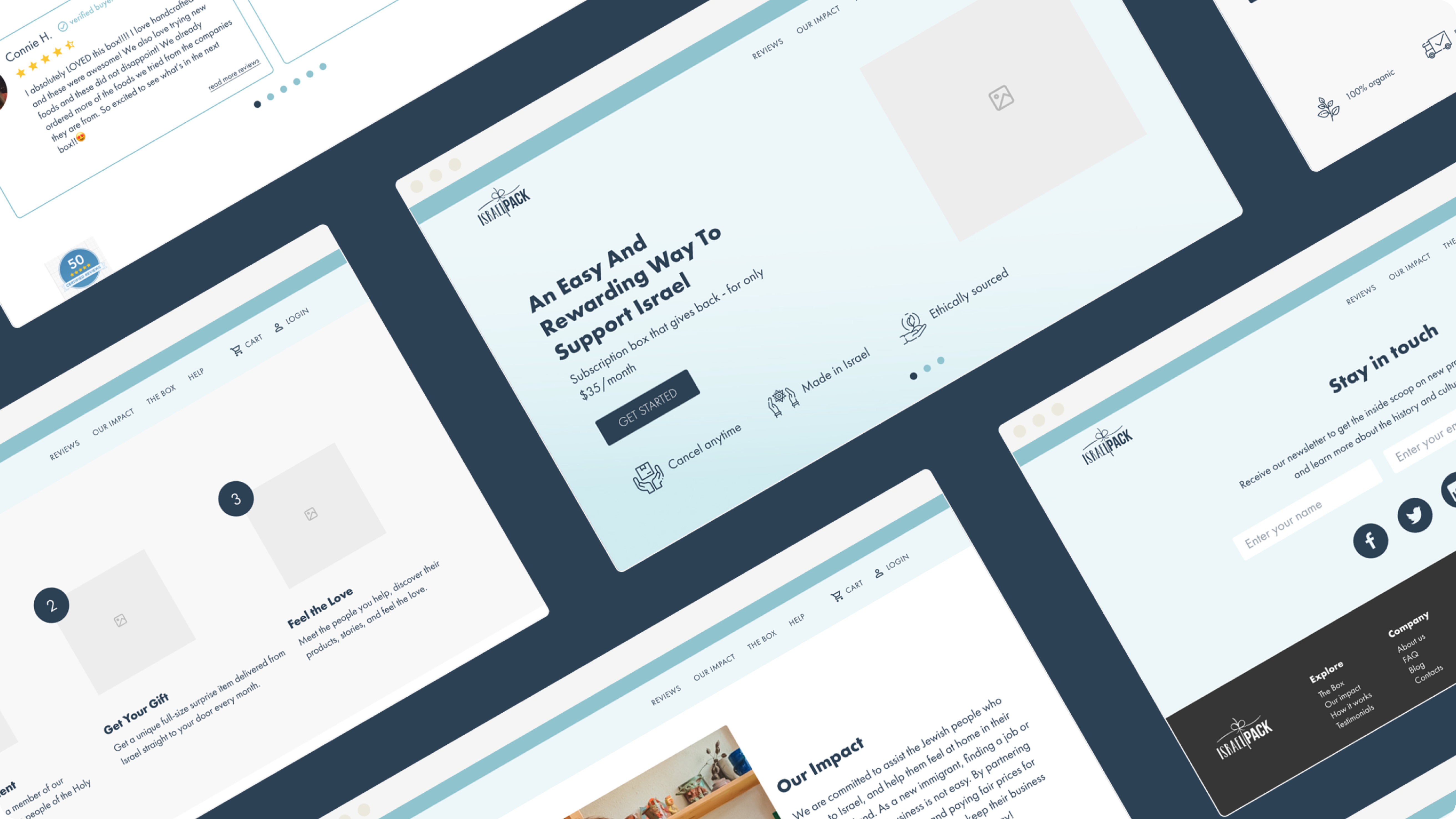
Subscription Box Product Design
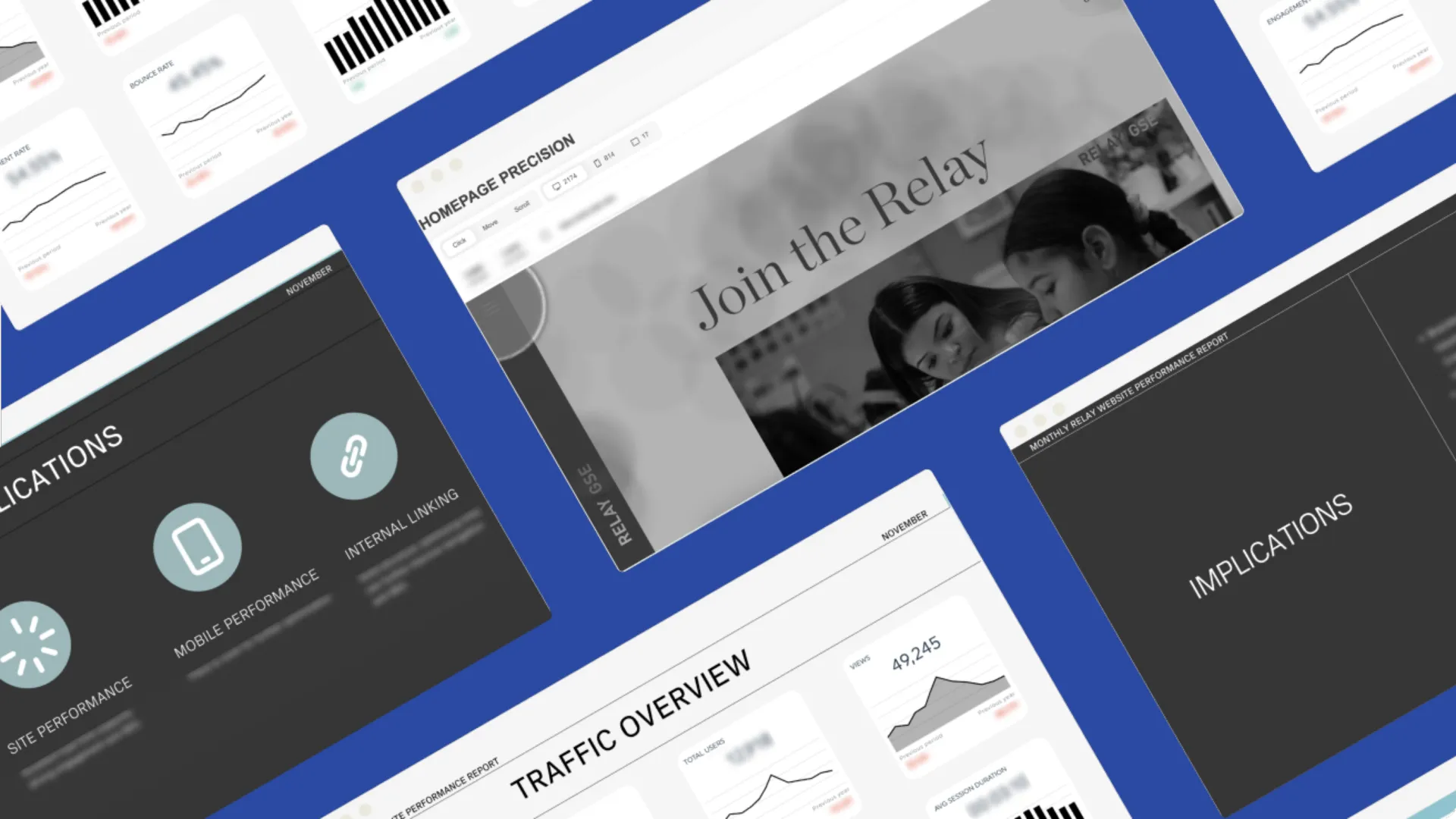
Education Website Analytics & Optimization
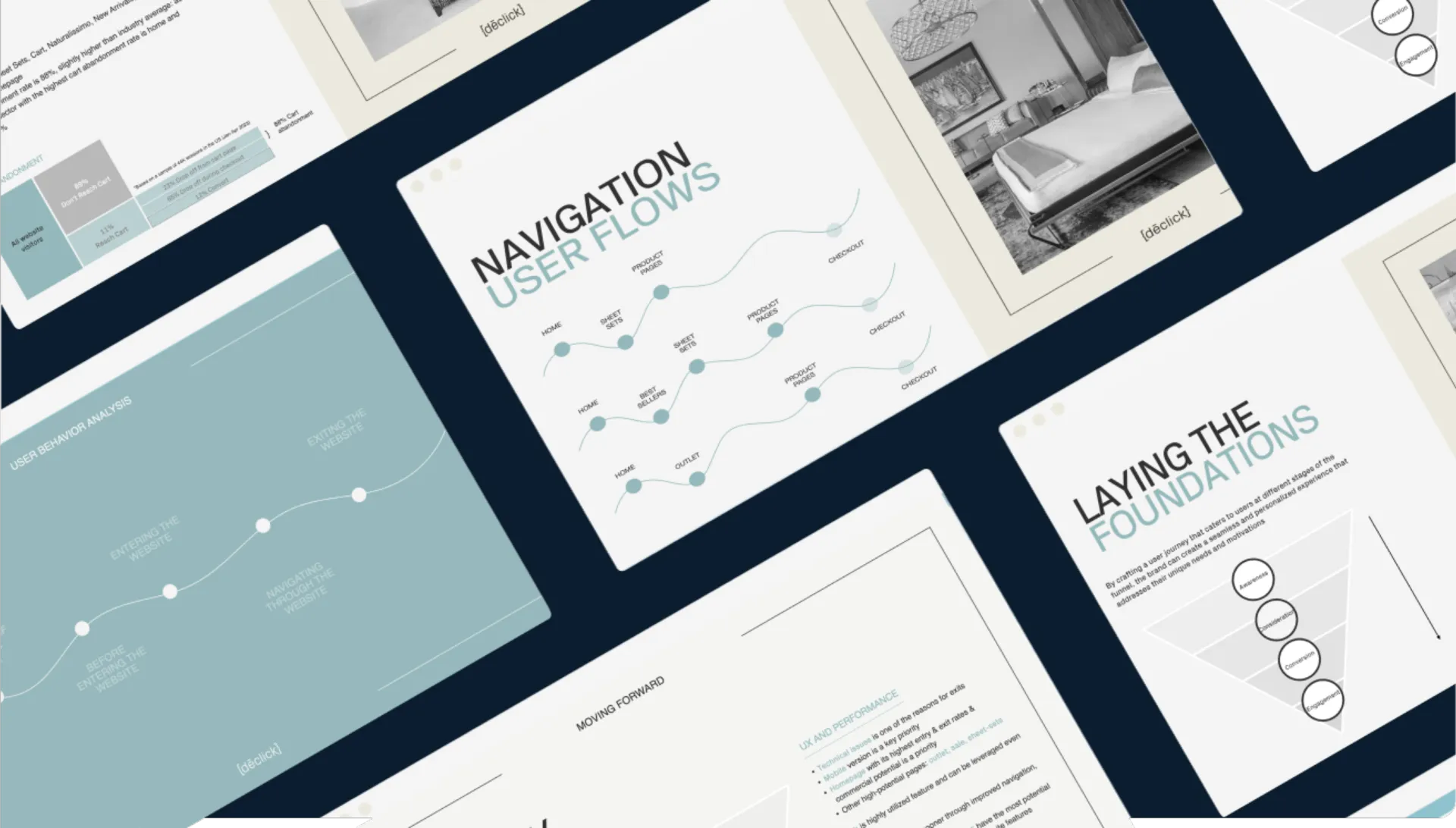
Web Analytics & UX Strategy for a luxury bedding brand