Web Analytics & UX Strategy for a luxury bedding brand
Project Background
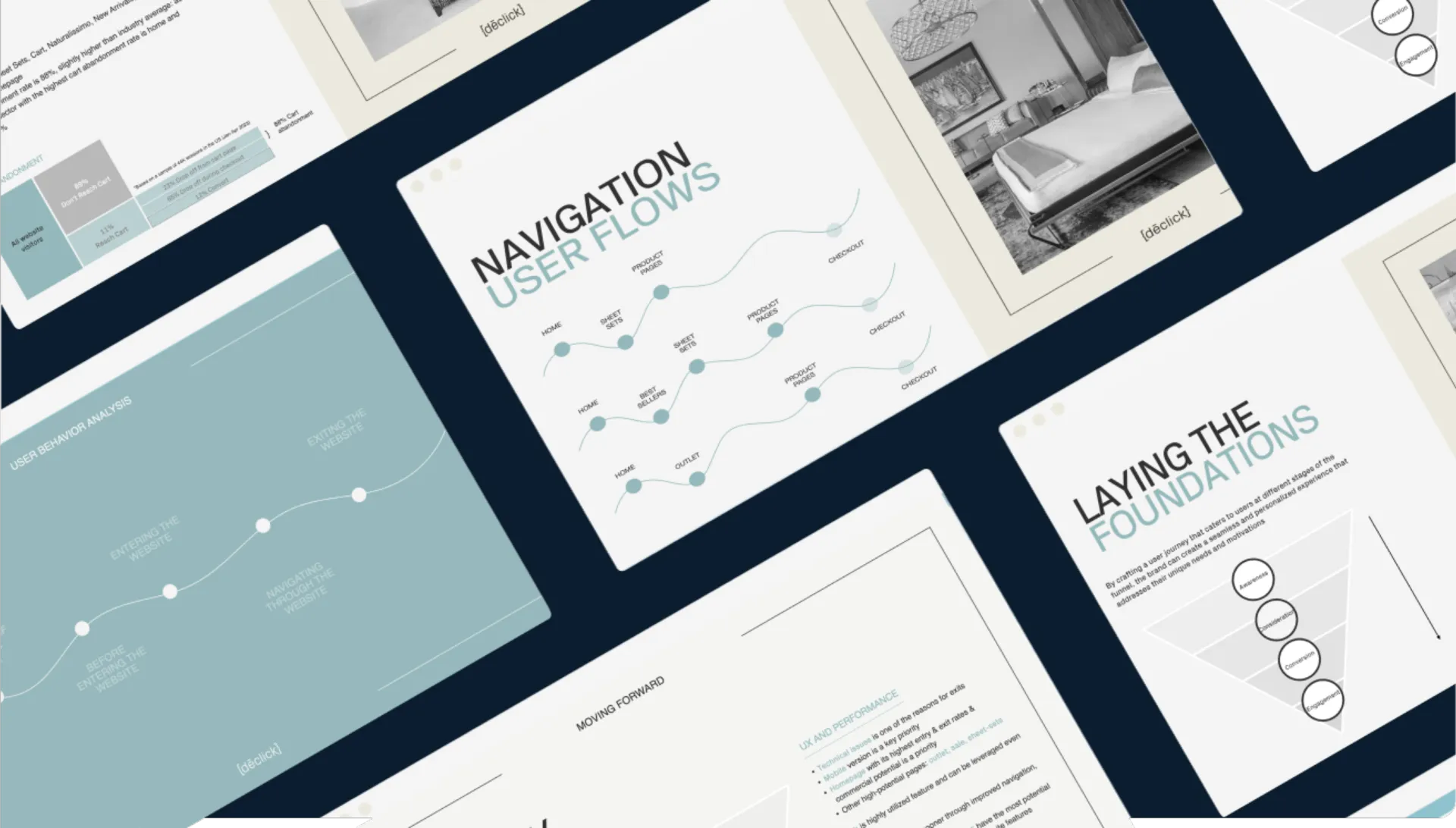
The luxury bedding brand’s website saw steady growth in traffic, but challenges in engagement and conversion rates revealed untapped opportunities. While many users visited the site, there was clear potential to guide them more effectively through the purchase process and maximize conversions. The brand’s heavy reliance on paid search and direct traffic highlighted the need for a stronger focus on organic growth. Analysis of competitors uncovered content and SEO gaps that, if addressed, could greatly improve the brand’s online visibility and support sustainable growth.
Key Performance Indicator of my project
This is the impact of the project, shown in real numbers.
User Engagement
Monitored user interactions with features like filters and quizzes, highlighting areas for increased engagement.
Conversion Rate
Tracked how many visitors completed purchases, revealing opportunities to improve checkout and product pages.
Exit Rates
Analyzed top exit pages, such as category and checkout pages, to identify and address user drop-off points
Traffic Sources Analysis & SEO
The website experienced steady traffic growth, with paid search contributing the largest share of visitors. Organic traffic, while smaller in volume, showed higher engagement and conversion rates, indicating more targeted and aligned users. Returning visitors, who made up a smaller proportion of total traffic compared to new visitors, demonstrated significantly higher conversion rates, highlighting opportunities to prioritize retention strategies.
Desktop users, although fewer than mobile users, displayed better engagement metrics, such as longer session durations and higher average order values. This emphasized the need to optimize the mobile experience while maintaining a strong desktop presence.
Competitor analysis revealed that some rivals, despite having fewer backlinks, excelled in organic performance by investing in high-quality, informative content, including blogs and storytelling. The analysis uncovered opportunities to expand the brand’s visibility by targeting high-intent keywords such as "luxury bedding" and "organic sheets." Diversifying content to include informational searches, such as "how to care for luxury sheets," could further drive organic traffic and engagement.
Additionally, the reliance on paid search suggested a need to diversify traffic sources. Email campaigns and organic search optimization were identified as key areas to reduce dependency on paid channels. Developing a robust content strategy, improving SEO, and enhancing email personalization would create a more sustainable growth path for the brand.
User Behavior on Site & User Flows
User behavior analysis revealed distinct patterns and areas for improvement. The homepage attracted the most traffic and generated the highest revenue, but a significant portion of users exited from this page, often due to technical issues such as slow loading times and broken features. This highlighted a need to improve the homepage experience to retain visitors and encourage further exploration.
The outlet page showed the highest engagement and conversion rates compared to other entry points, such as the sale page, which performed moderately. Filtering and navigation features emerged as critical engagement drivers, but mobile users faced challenges with slower page speeds and unresponsive elements, leading to higher exits on category pages.
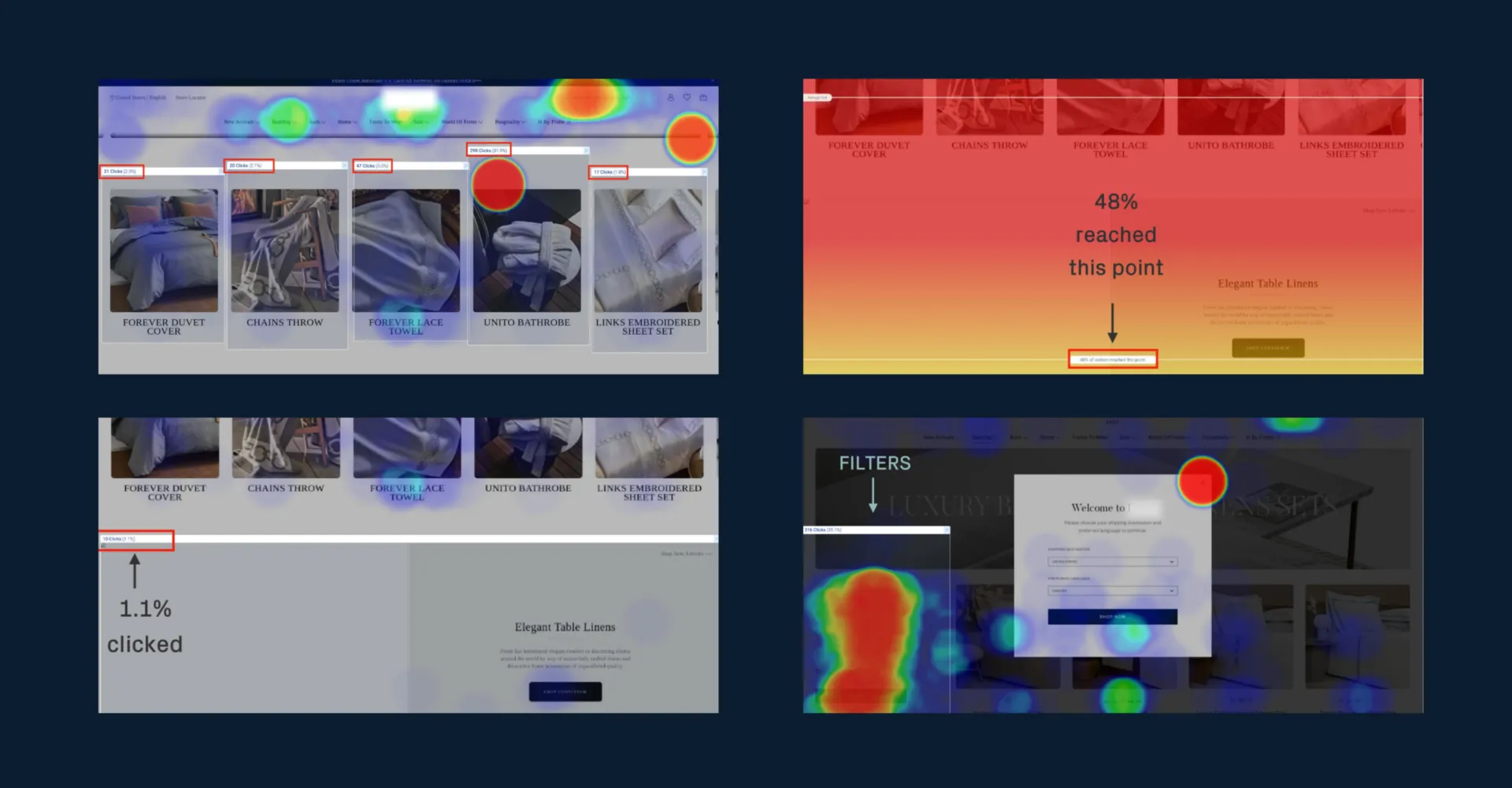
Heatmaps and screen recordings also highlighted underutilized interactive features, such as the "How Do You Like to Sleep?" quiz, which engaged users effectively but was not prominently displayed. A 10-day experiment identified recurring technical issues, including JavaScript errors and broken filters, which impacted user experience.
Exit rates were particularly high on checkout pages, suggesting friction in the purchase process that required optimization. Additionally, educational content and social proof elements, such as reviews, were identified as opportunities to build trust and guide users more effectively through the purchase journey.
Conclusions and Recommendations
The analysis provided critical takeaways that highlighted several key opportunities for growth. Based on these insights, three main goals were identified. The first goal was to address immediate issues by focusing on low-hanging fruit. The second goal was to enhance user engagement by creating a more satisfying and effective digital experience. Finally, the third goal was to leverage high-potential free channels to reduce the brand's reliance on paid advertising.
To achieve these goals, the strategy for the first goal focused on reducing unnecessary frictions to help users explore the website more seamlessly. The second goal concentrated on improving the content strategy and refining the user experience to better engage visitors. For the third goal, the focus was on SEO optimization and enhancing email marketing efforts to build a sustainable traffic pipeline.
Specific actions were implemented to bring these strategies to life. Technical issues across the website were resolved, with a priority on the mobile version and top pages starting with the homepage. A detailed UX improvement plan was created for key pages and user flows, and A/B testing was conducted to identify the most effective solutions. A content plan was developed to address audience-relevant topics and strategically integrate new material into the site structure. Additionally, on-page SEO improvements were made by addressing missing meta-descriptions, titles, H1 tags, and alt text. Keyword strategies were reviewed, and work began on creating SEO-optimized long-form content for the website.
These targeted actions aimed to address immediate barriers, enhance the user journey, and foster sustainable growth by capitalizing on free channels and optimizing the digital experience.
1. Enhance Organic Traffic:
- Develop a robust SEO strategy targeting high-performing keywords like “luxury bedding” and “sheets.”
- Create long-form, optimized content inspired by competitors with successful organic strategies.
- Build an internal linking structure that reinforces keyword themes and improves crawlability.
- Reduce dependence on paid search by leveraging organic growth opportunities.
2. Optimize Mobile Experience:
- Address technical issues, including JavaScript errors and image optimization, to improve mobile performance.
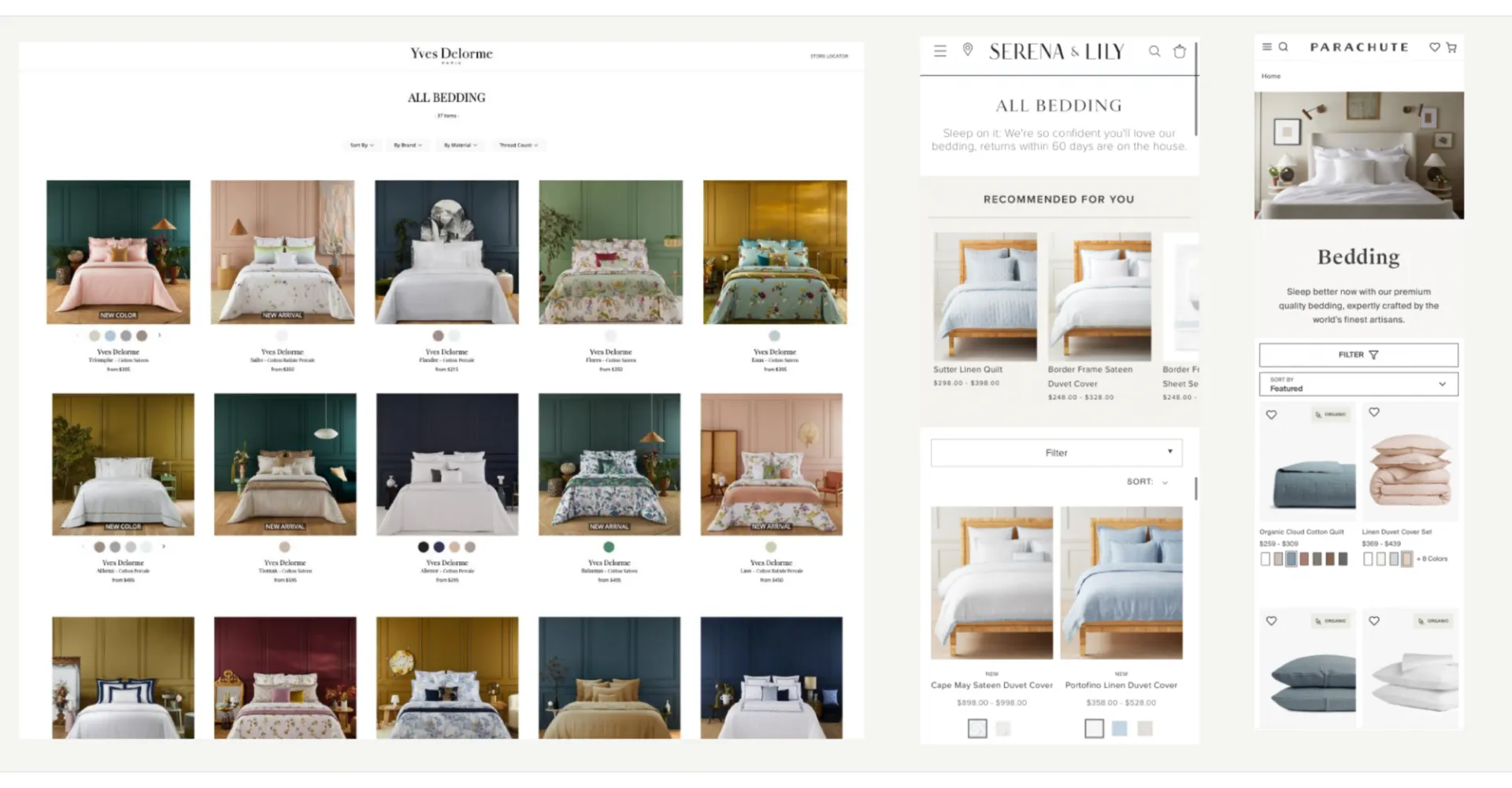
- Simplify navigation by introducing collapsible menus, sticky navigation bars, and a more streamlined product discovery experience.
- Implement lazy loading for images and content to enhance page speed and reduce bounce rates.
3. Boost User Engagement:
- Relocate interactive features, such as the “How Do You Like to Sleep?” quiz, to more prominent locations.
- Use A/B testing to identify optimal homepage layouts and content strategies.
- Enhance the outlet and sale pages with visually appealing product displays, prominent discount messaging, and urgency cues like countdown timers.
4. Retention Strategies:
- Implement personalized email campaigns targeting high-converting demographics (ages 25-44).
- Leverage dynamic product recommendations and retargeting ads to encourage repeat purchases and build loyalty.
- Introduce a rewards program to incentivize customer retention.
5. Streamline Checkout Process:
- Combine cart and summary pages to reduce friction in the checkout flow.
- Address cart abandonment with reassurance elements, such as secure payment badges, free shipping offers, and customer testimonials.
Other Projects
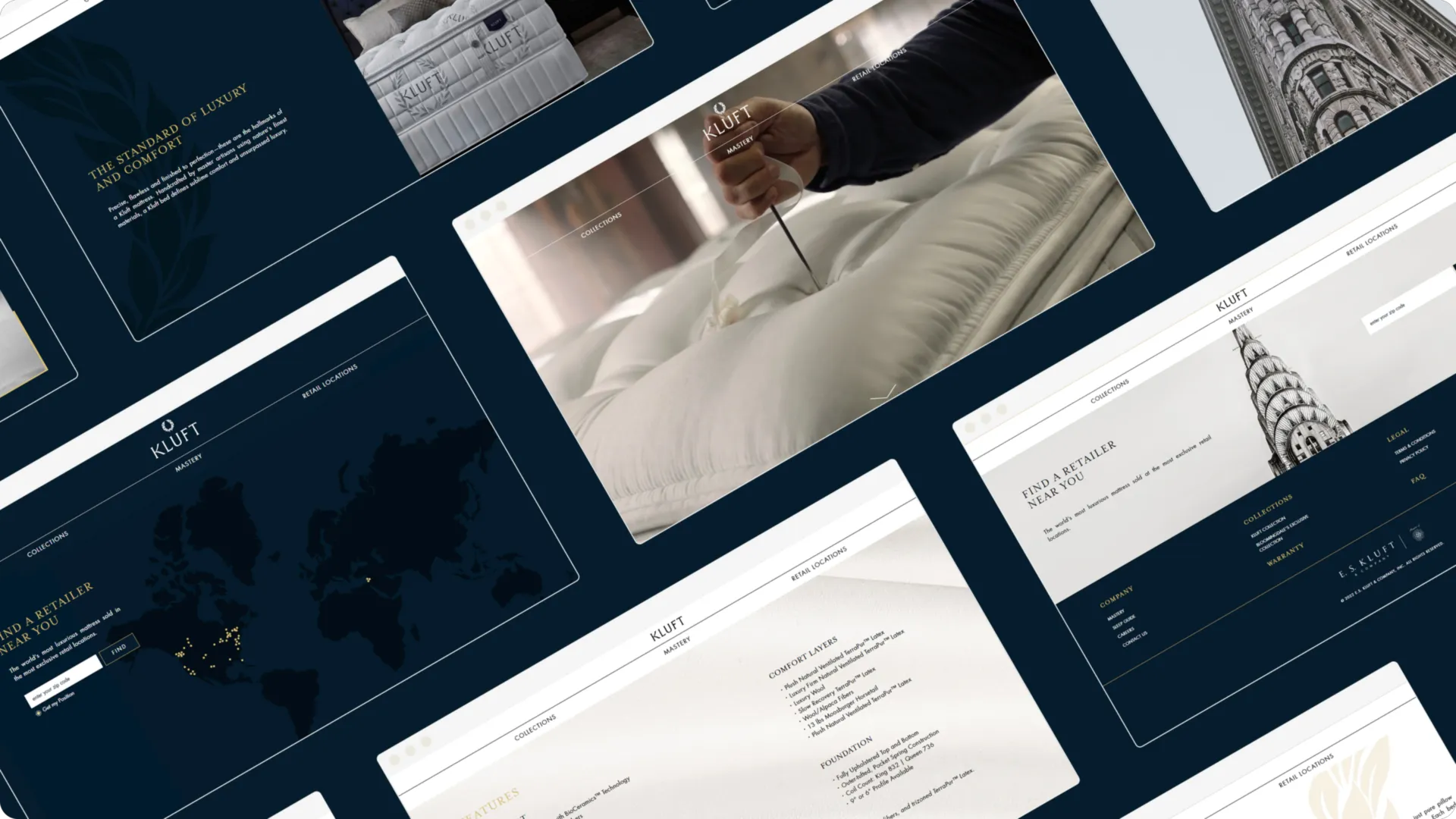
E.S. Kluft Website Redesign
Array UX Design
Subscription Box Product Design
Education Website Analytics & Optimization
Fashion eCommerce Strategy and Product Management